

2025 Reading Wrap
Some reading stats and my top ten of 2025, possibly my best reading year yet!


I track my reading in a Notion database and love looking at the stats, so I’m going to start by sharing some screenshots as a written record to look back on. Then I’ll be blasting BBC6Music—my favourite radio station—and setting up next year’s page in Notion. Stephen King sneaked into second place among my most-read authors this morning as I finished the third book in the Bill Hodges trilogy, End of Watch.
I love that these Notion charts are now clickable to see the data behind them. It’s a tracker to beat all trackers!
Stats
Authors
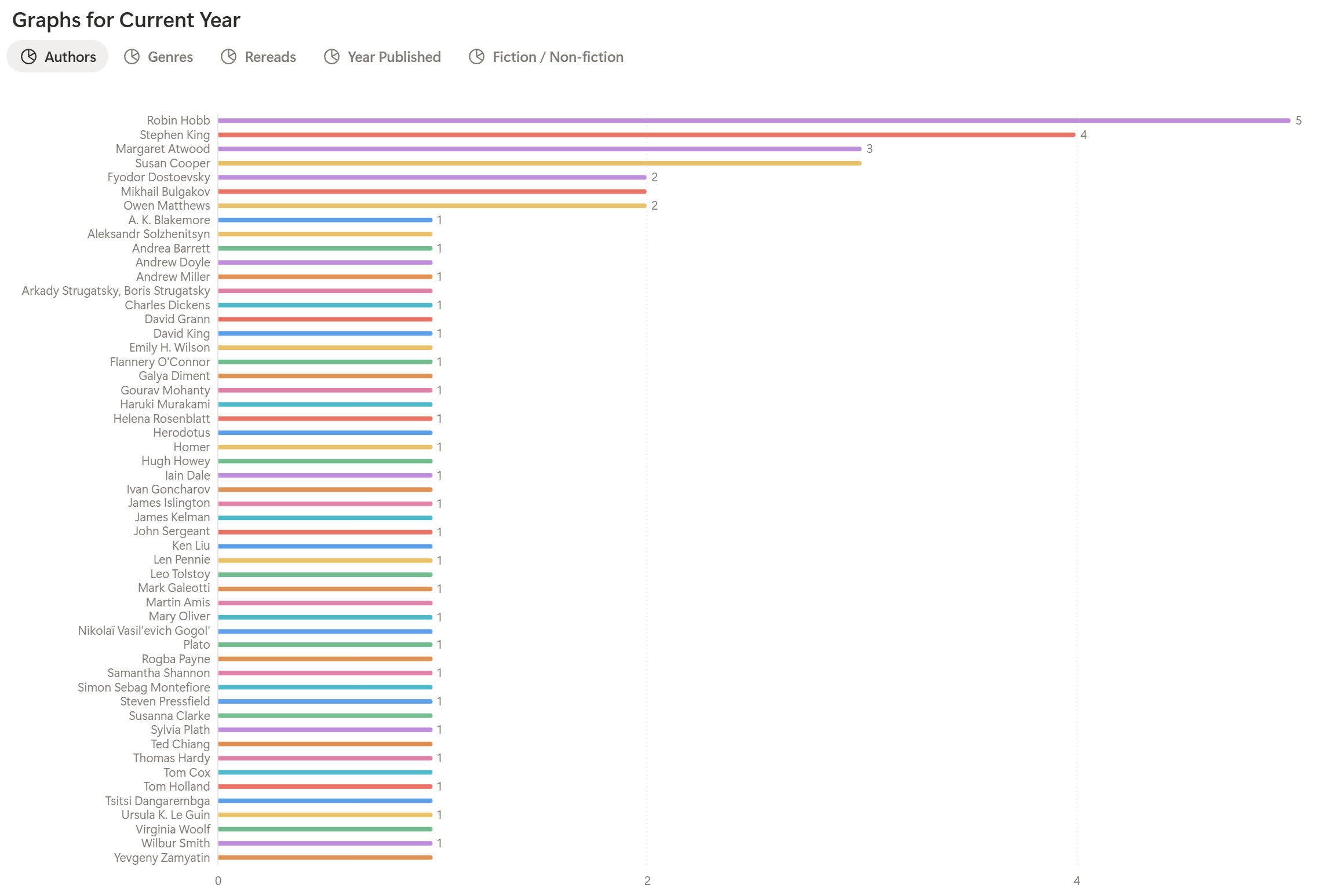
I wonder if Robin Hobb will be at the top next year too, as I’m planning on finishing the Realm of the Elderlings, so three more books. Stephen King is at number two because I blasted through the Bill Hodges trilogy, and Susan Cooper was me finishing The Dark is Rising sequence.
Genres
Rereads
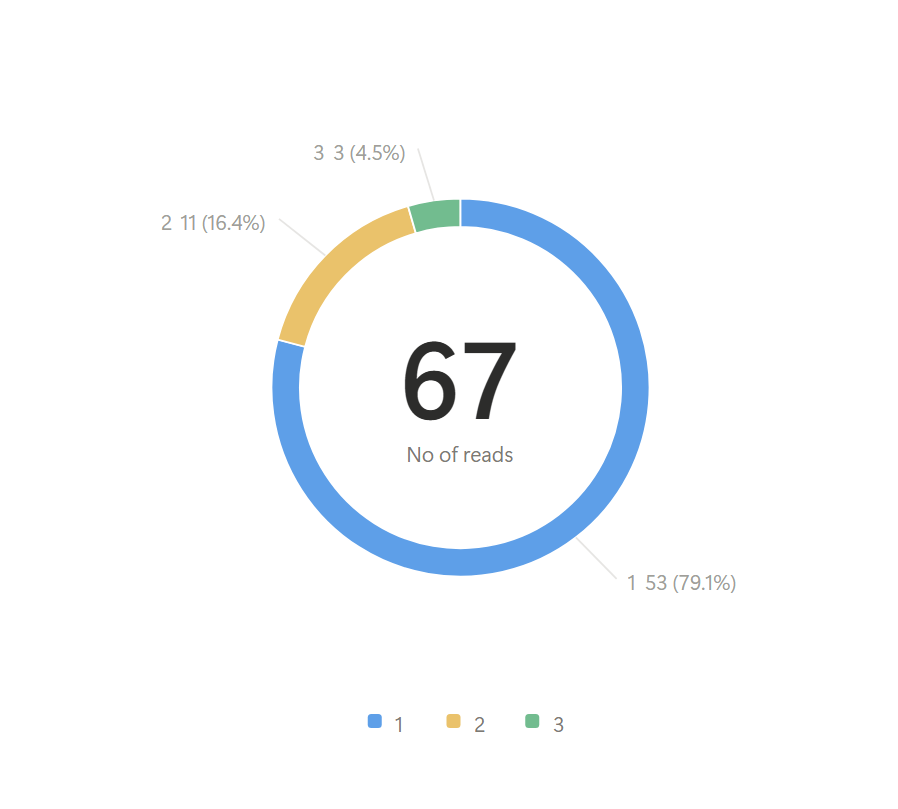
I do like a reread. In fact, three of my top ten are rereads.
Year Published
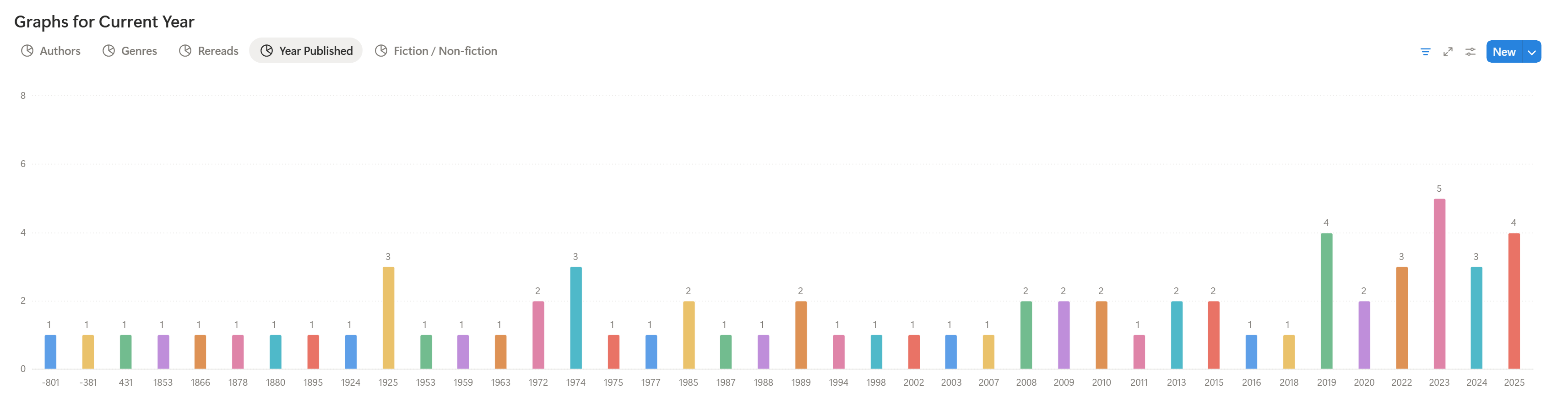
I would have told you that I’m generally not one for reading new releases, but the stats say otherwise.
Fiction / Non-fiction
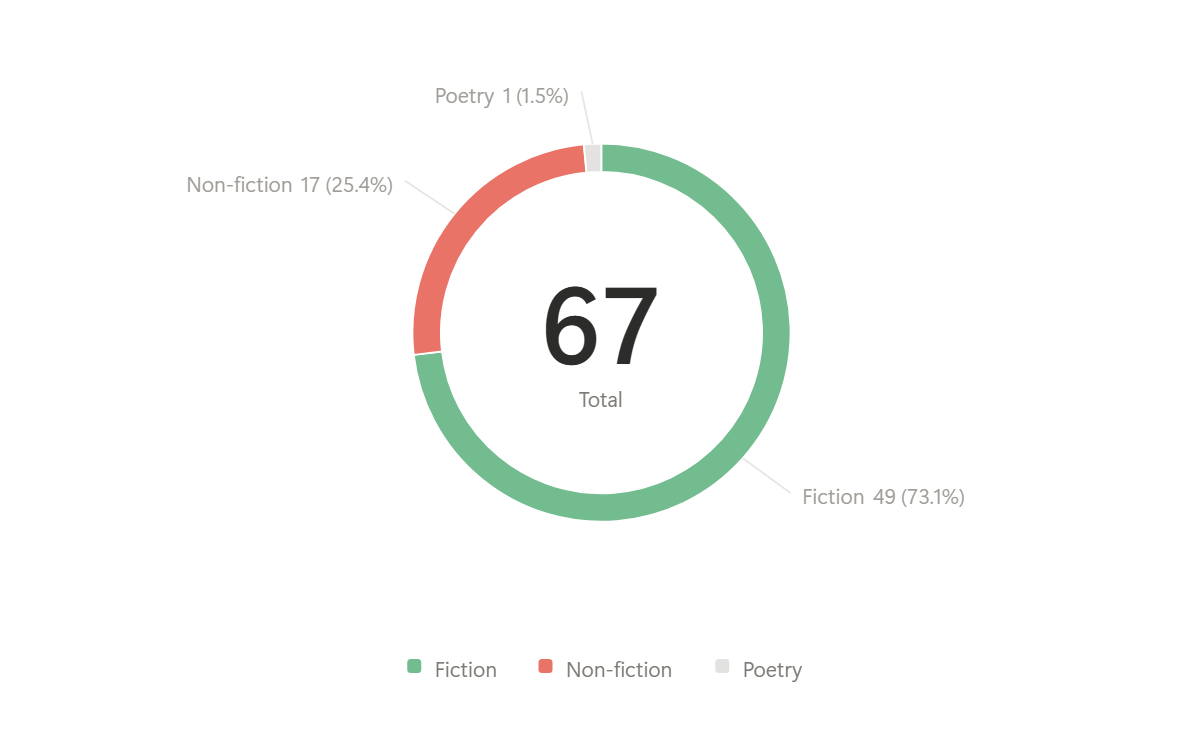
This feels about right. I want to read more history next year, as my Russian history shelf is growing faster than I can read through it. I’m aiming for a third / two-thirds split next year.

Top 10
Choosing a top ten is difficult, but the Internet seems to demand it, so I’ve spent the last two days deliberating, including recording a long, rambly video up the Hill of Beans to talk through the possible choices. I haven't edited and published it yet, but look out for it on my BookTube channel over the next few days. It was a beautiful, sunny day in the Scottish forestry, so it’s worth watching for the scenery alone!
Choosing is one thing, ranking is another—I’m not going to do that. The books listed below are in the order I read them.
📖 Fool’s Fate, Robin Hobb, 2003
Fiction, Physical, Audiobook (Narr. Nick Taylor)
Book three of the Tawny Man Trilogy. This closes out the third trilogy in Hobb’s Realm of the Elderlings series, and it’s one of my all-time favourite fantasy series. I read the first two trilogies way back in the early noughties, but for some reason didn’t continue when the Tawny Man started coming out. It continues the story of Fitz, the main character in the first trilogy, The Farseer Trilogy. If anything, Hobb’s writing has got even better. At times it’s cosy, at others it’s dramatic, scary, intriguing, surprising. Above all, though, it’s emotional. Bring tissues.
📖 Bleak House, Charles Dickens, 1853
Fiction, Physical book
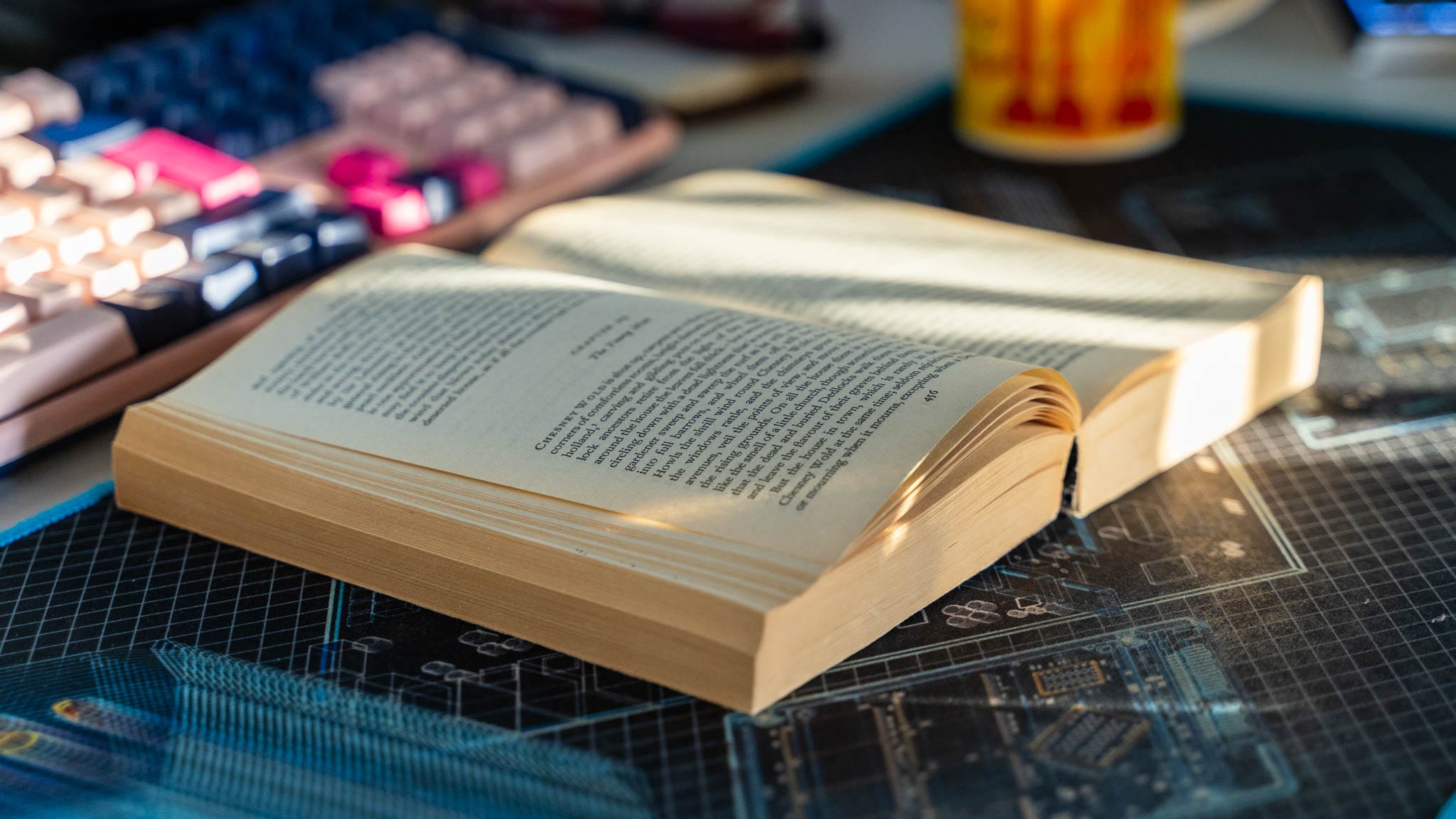
I feel a strong urge to read all of Dickens’ novels. I’m not sure why that is. FOMO perhaps? Being in my 50s? I mean, one should never read literature out of a sense of duty, and this isn’t that; I just feel that it’s time.
This was my second of Dickens’ novels, the first’s being Great Expectations, which I read in 2023. I enjoyed both. I find them to be challenging but rewarding. It took me some time to get into the style. With Bleak House, I was about 200 pages in when I found myself a bit confused by the characters, so I watched a few episodes of the BBC adaptation starring Charles Dance, Anna Maxwell Martin and Gillian Anderson, which helped me get the story straight. After that, the reading was utterly delightful. It was enhanced by watching Katie Lumsden’s vlogs. She’s a favourite BookTuber of mine.
📖 A Disaffection, James Kelman, 1989
Fiction, Physical book, Reread; Nominated for Booker Prize
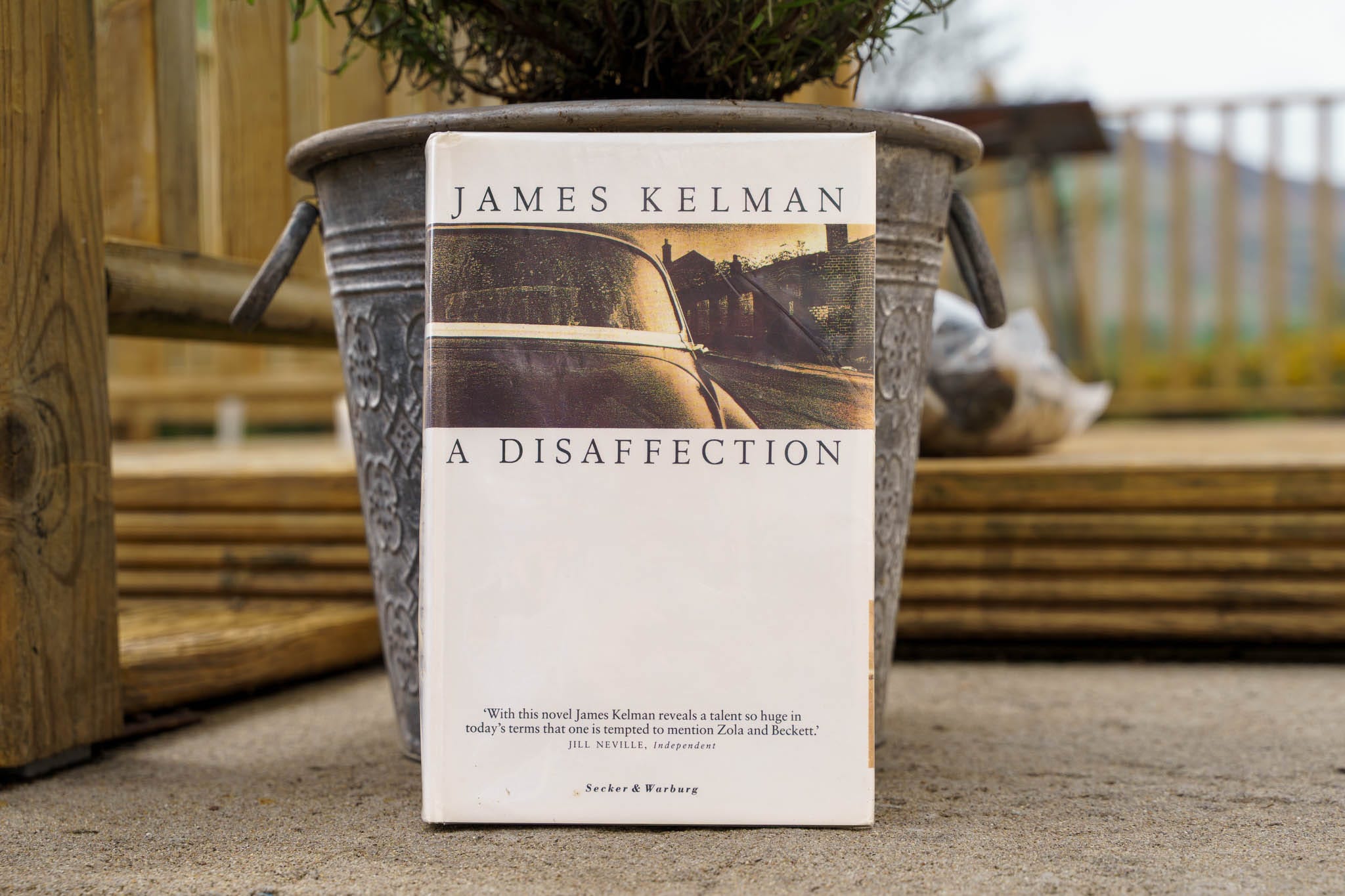
This was a pure mood read, and I’m not quite sure what put it into my head. I first read this when I was a student in Odessa, Ukraine, in 1995/96. I read a lot that year, making excellent use of the British Council Library in the city. I hadn’t heard of this author before and must’ve just picked it up while browsing.
It’s a slice of social realism set in Glasgow in the late 80s, following a disaffected 29-year-old school teacher. It all takes place over a few days and is written in the Glasgow dialect. The main character, Patrick, is of working-class roots and is the first in his family to attempt to climb out of that class by getting a university degree and becoming a teacher. So basically me. When I first read this, I was midway through my MA (Hons) and working abroad as a teacher. I remember turning up for my first day at St Andrews with a massive working-class chip on my shoulder after leaving the forces.
There’s a scene in the book where Patrick goes round to his big brother Gavin’s and gets a massive cairry oot to join in an aw-day bevvy session. So that’s an all-day drinking session with a massive carry out from the off-licence, or offy. It took me right back to my late teens / early twenties when that was a regular occurrence for this here correspondent. The way Kelman evoked those feelings was genius, and I was reminded of just how grateful I am to have kicked the bevvy in 2005. I celebrated twenty years of sobriety in October.
Reading the novel in my 50s, with all that social-climbing and alcoholism behind me, was more of a trip down memory lane than it was when I first read this. Back then, I could’ve been the main character. But isn’t every reread different? That’s one of the things that makes books so wonderful. War and Peace wasn’t the same book when I read it last year, nor was Crime and Punishment. That said, those two novels are universal classics. A Disaffection is perhaps not universal, especially given that it’s written in dialect. For me though, it was a strong contender for book of the year, and it has my finger hovering over the buy button to add more Kelman to my library.
📖 Stalin’s Children, Owen Matthews, 2008
Fiction, Physical Book
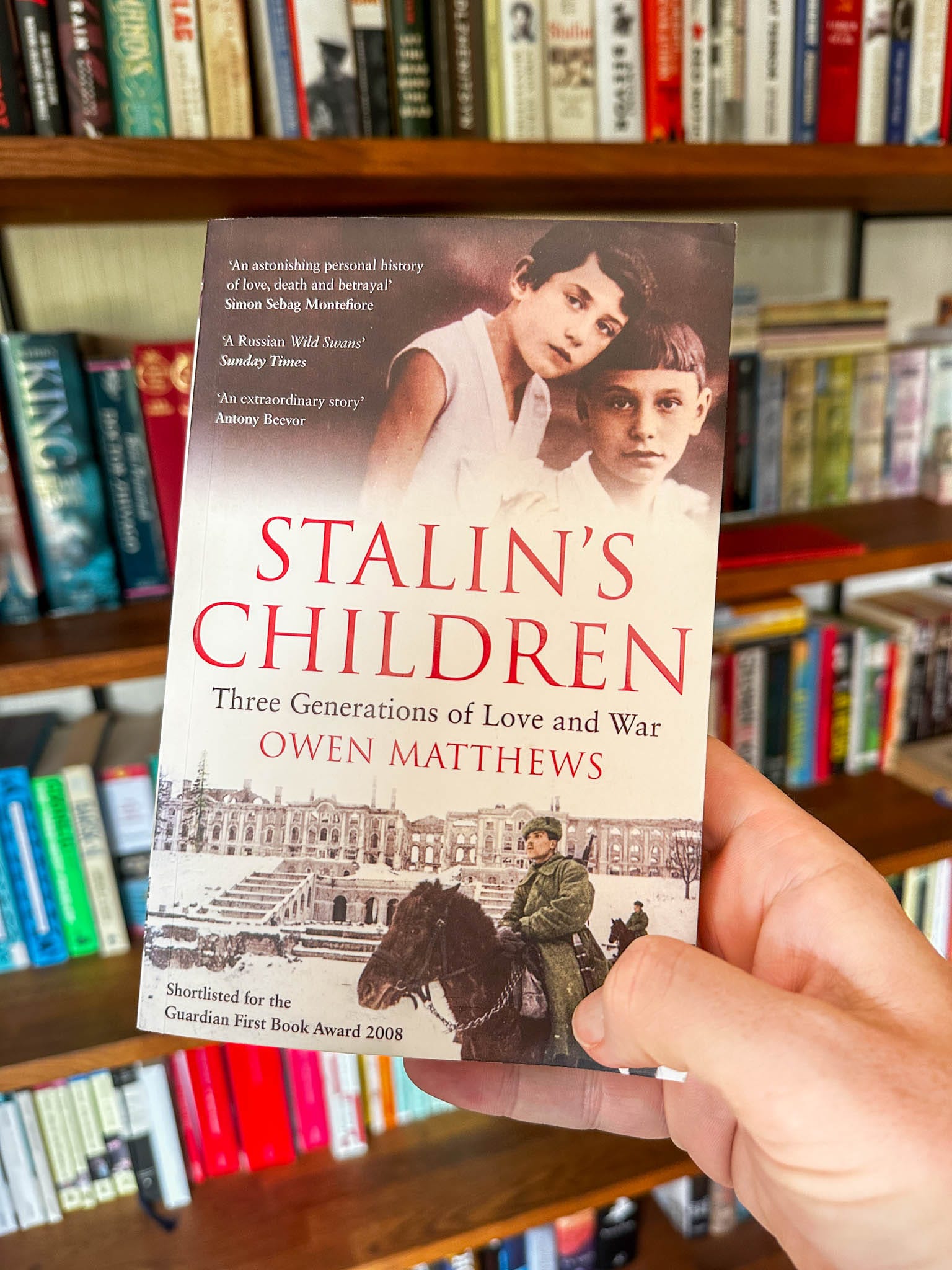
I heard Owen Matthews on a podcast discussing the ongoing conflict between Russia and Ukraine. I could tell straight away that this was someone with expertise on the region, so when host Liam Halligan mentioned Matthews’ book, Overreach, I immediately bought a copy and read it. It turned out that I already had Stalin’s Children on the shelf; I don’t remember buying it, but such is the life of a book nerd, I suppose. I pulled it down, read the blurb and was like, ‘I need to read this right away’.
So I did.
And what a fantastic book! Matthews starts by going through some old love letters between his Russian-born mother and his Welsh-born father. It paints a vivid picture that I found relatable in my own small way, having been in an 18-month-long-distance relationship with the woman who was to become my wife—we married in 2002. Matthews’ maternal grandfather was purged by Stalin in 1937; his mother, aged only 3, had a brutal childhood, surviving famine and war. She meets Matthews’ father in Moscow, where he was a student on an exchange programme at Moscow State University, and they fall in love. Then begin their attempts to marry. Matthews’ father is eventually kicked out of the Soviet Union when he rejects the KGB’s offer of ‘assisting world peace’ or some other euphemism that basically amounted to spying.
We also get some of the author’s own story of becoming a journalist in the region, including a fascinating bit about Moscow in the 90s, something that I could relate to, having visited Moscow in the mid-90s and then lived in Ukraine for a year.
So, the book could have been written with me in mind: Russia, USSR, long-distance love. But that’s not to say that you need to be interested in the region to enjoy this book. At its heart, it’s a love story against the odds, and that gives it universal appeal.
📖 Oblomov, Ivan Goncharov, 1859
Fiction, Physical Book, Translated by Stephen Pearl
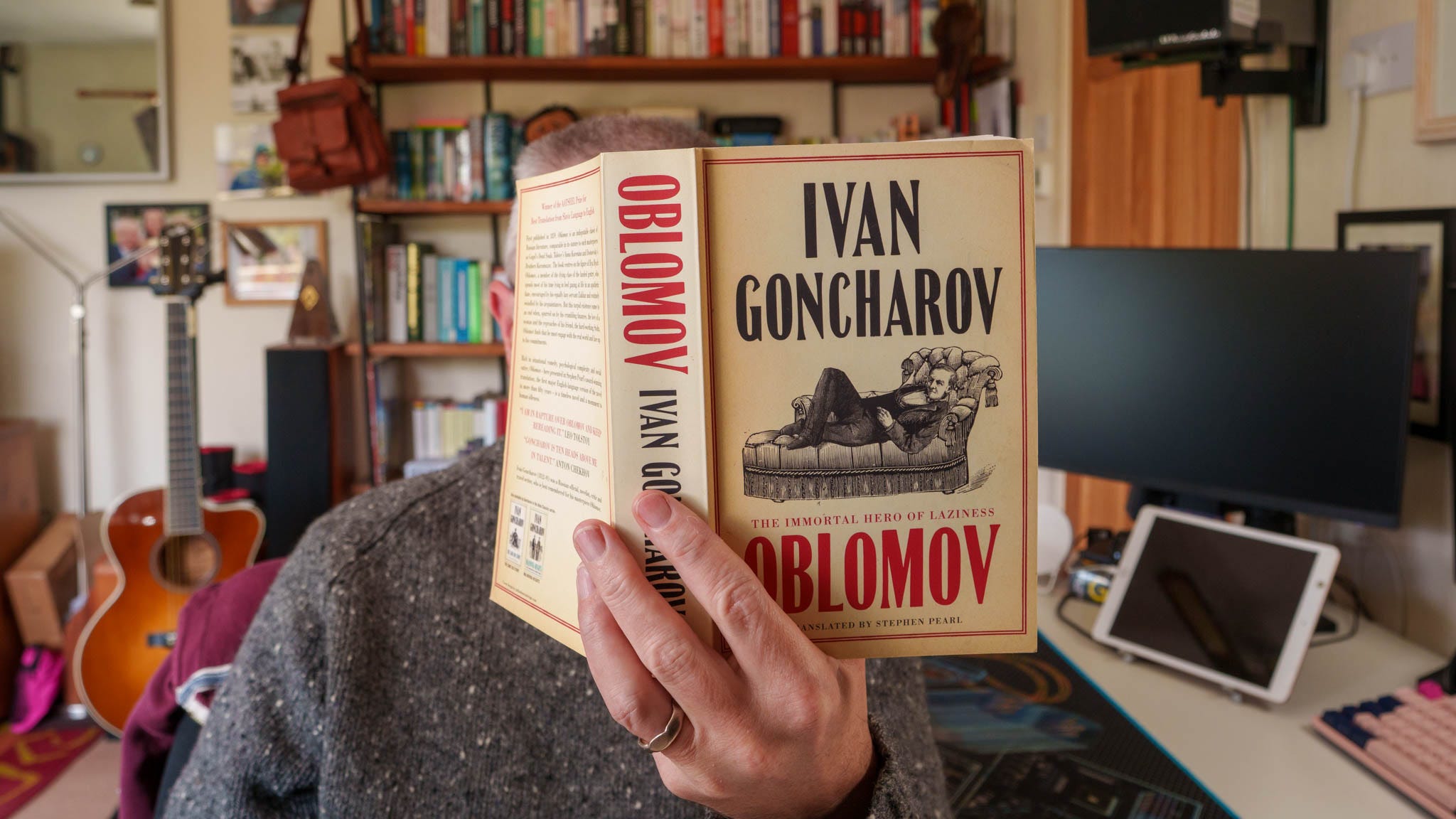
Anyone who’s been on my channel for more than a week will know of my love for this novel. This was my third time reading it and my first with Stephen Pearl’s translation. I led a group through it here on my channel through May and June, and it was a rewarding experience in so many ways. It’s an all-time favourite that has resonated with me since I first read it as a student of Russian language and literature at the University of St Andrews in the 90s. I find the character of Oblomov so relatable and imagine that, were he alive today, he’d almost certainly qualify for some kind of neurodiversity diagnosis.
When anyone asks me to recommend a Russian classic, it’s always Oblomov first!
📖 London Fields, Martin Amis, 1989
Fiction, Physical and Audiobook (Narr. Steven Pacey)
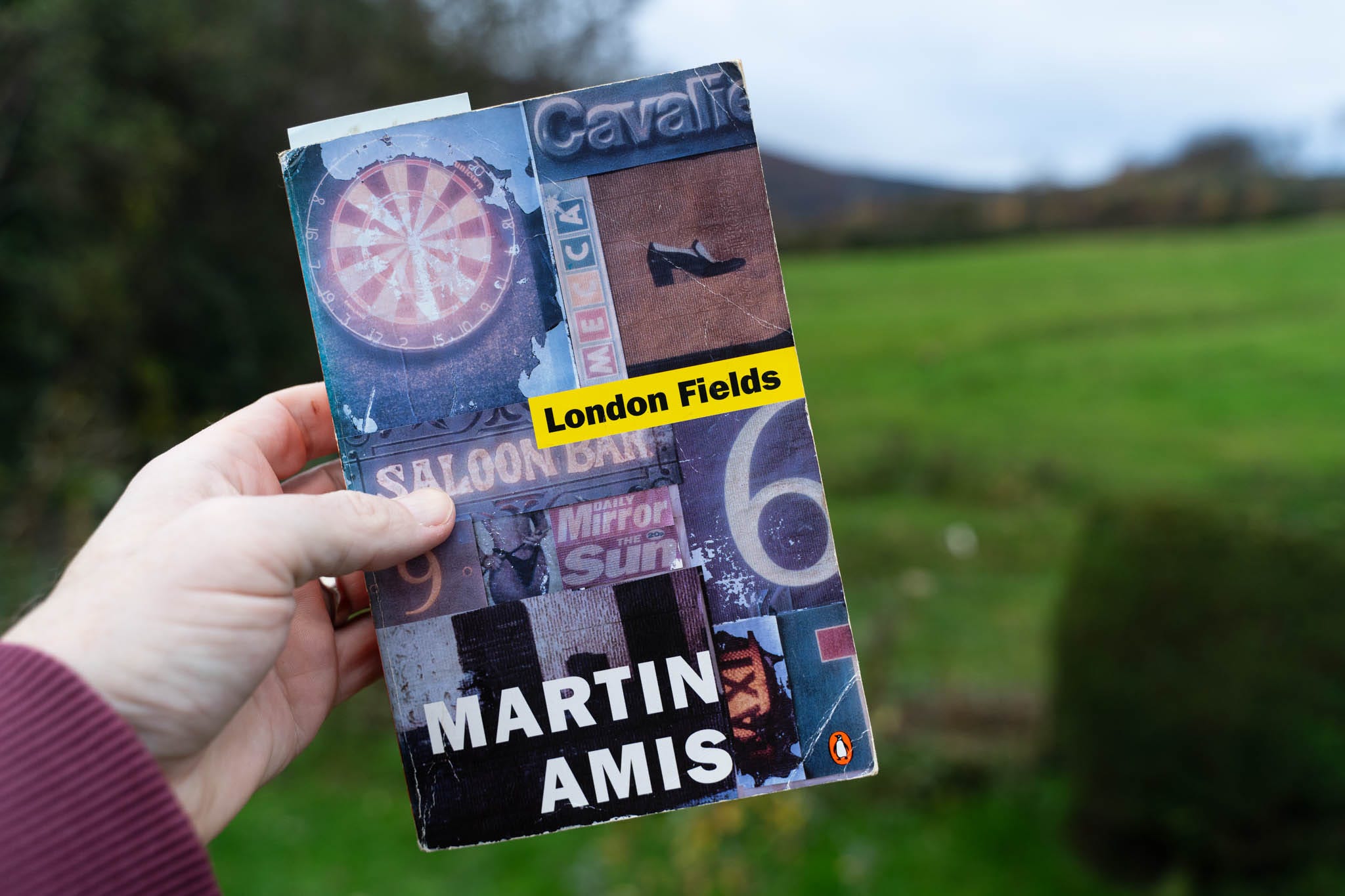
This is a true story but I can’t believe it’s really happening.
It’s a murder story, too. I can’t believe my luck.
And a love story. (I think), of all strange things, so late in the century, so late in the goddamned day.
This is the story of a murder. It hasn’t happened yet. But it will. (It had better.) I know the murderer, I know the murderee. I know the time, I know the place. I know the motive (her motive) and I know the means. I know who will be the foil, the fool, the poor foal, also utterly destroyed. And I couldn’t stop them, I don’t think, even if I wanted to. The girl will die. It’s what she always wanted. You can’t stop people, once they start. You can’t stop people, once they start creating.
I first read this novel in the mid-90s and remember feeling connected to the universe upon finishing it. I didn’t feel that quite so strongly this time around, but it’s still one of the highlights of my reading year.
It follows the story of four characters: Nicola Six, the murderee; and three blokes, one of whom Nicola knows will be her murderer. Keith’s a darts player and king of his local pub; Guy’s a well-heeled banker in an unhappy marriage; and Samson Young is a dying American novelist recording the story as it happens.
The setting is Notting Hill at the turn of the millennium, portrayed so vividly you can feel the streets, the pub, the tower blocks. (Amis lived in this area of London.) His prose is clever and pithy.
There’s something about London Fields that resonates with my core — and that’s a bit troubling given how problematic it is. The male characters are all arseholes, and Nicola Six isn’t much better. It’s a book I really shouldn’t like, and yet I do! It’s a firm favourite that I recommend to almost no one.
If you like your audiobooks, Steven Pacey’s audiobook narration was sublime.
“Darts, Keith. Darts.”
📖 Sons of Darkness, Gourav Mohanty, 2022
Fiction, Physical, Audiobook (Narr. Homer Todiwala)
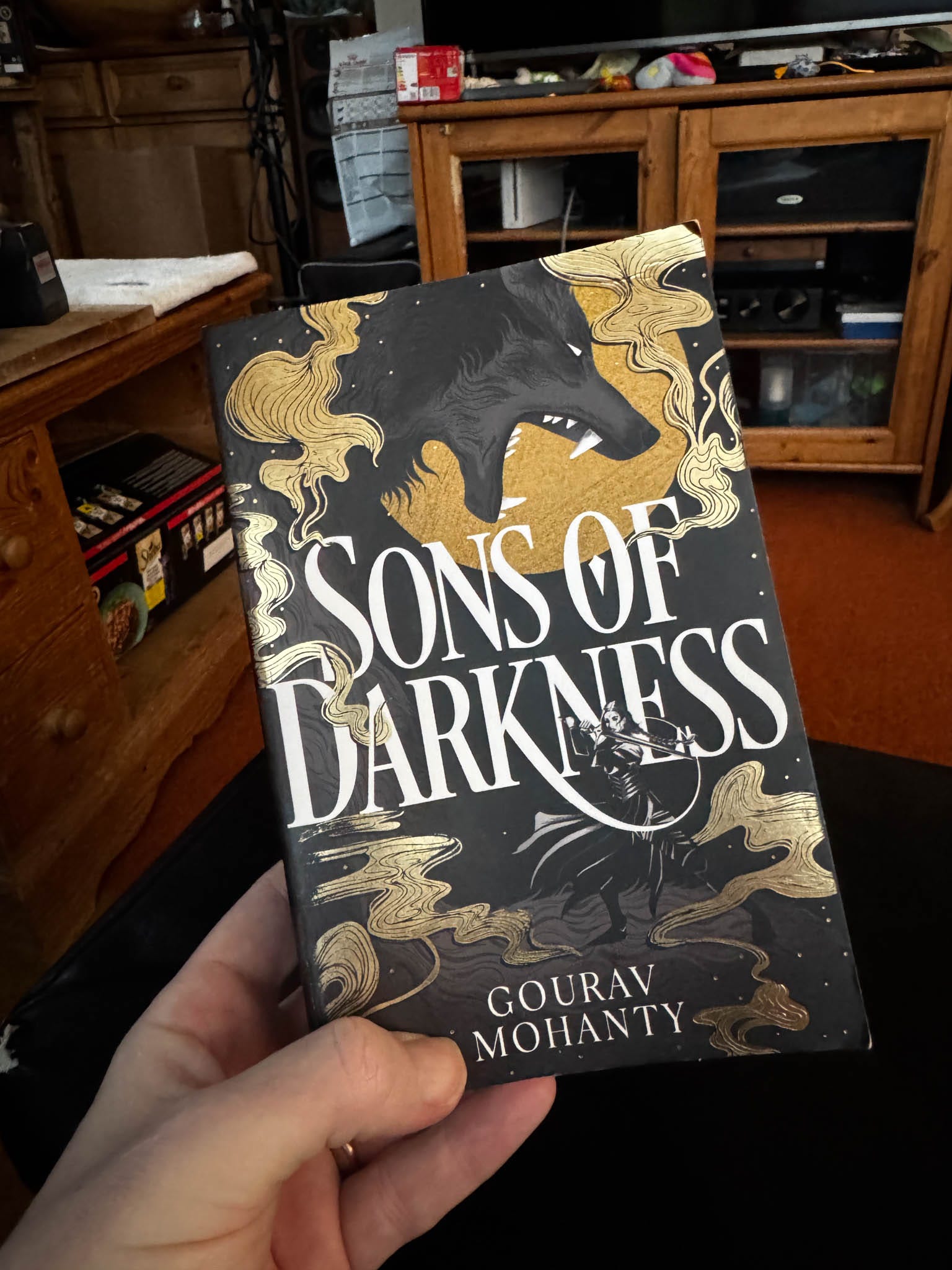
This had been on my TBR all year, and I finally got to it in December. And wow! It’s a debut novel by Mohanty, a grimdark fantasy novel based on the Mahābhārata of Indian mythology. Mohanty cites George R.R. Martin as an influence and hero, and that shows in his novel. The characters are not divided into goodies and baddies—they’re flawed individuals with sometimes questionable motives. The characters have depth and are very well-written, including the many strong female characters.
It’s quite a dense novel in its political machinations, so upon finishing it, I went back to the beginning to reread the first two parts. I’d missed quite a lot, but I loved it so much that I was more than willing to do that. I will definitely be following up with the sequel, Dance of Shadows.
📖 The Grace of Kings, Ken Liu, 2015
Fiction, Physical and Audiobook (Narr. Kevin Shen)
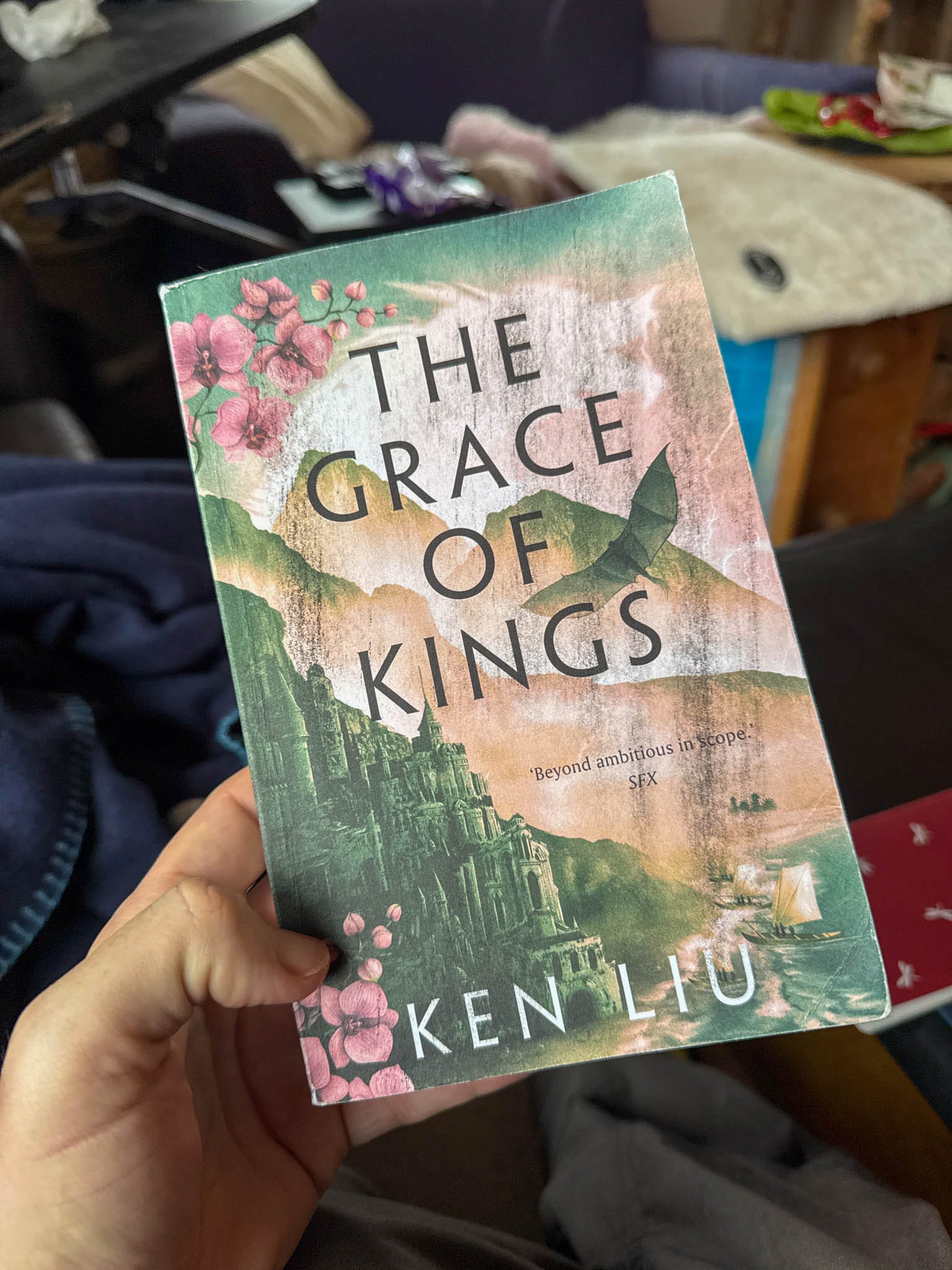
A fantastic debut novel from Ken Liu. Is it fantasy? It’s certainly epic in its scope and is very well written. It reminds me a little of Homer’s Odyssey, but set in a world that evokes ancient China. We’ve got an Emperor who united a land of disparate states but rules in a tyrannical fashion. The main character, Kuni, comes of age while the Emperor is on a tour of the individual states and becomes a political mover and shaker himself. It’s full of intrigue, violence, sex, politics and war and was an absolute banger of a novel.
📖 Piranesi, Susanna Clarke, 2020
Fiction, Physical
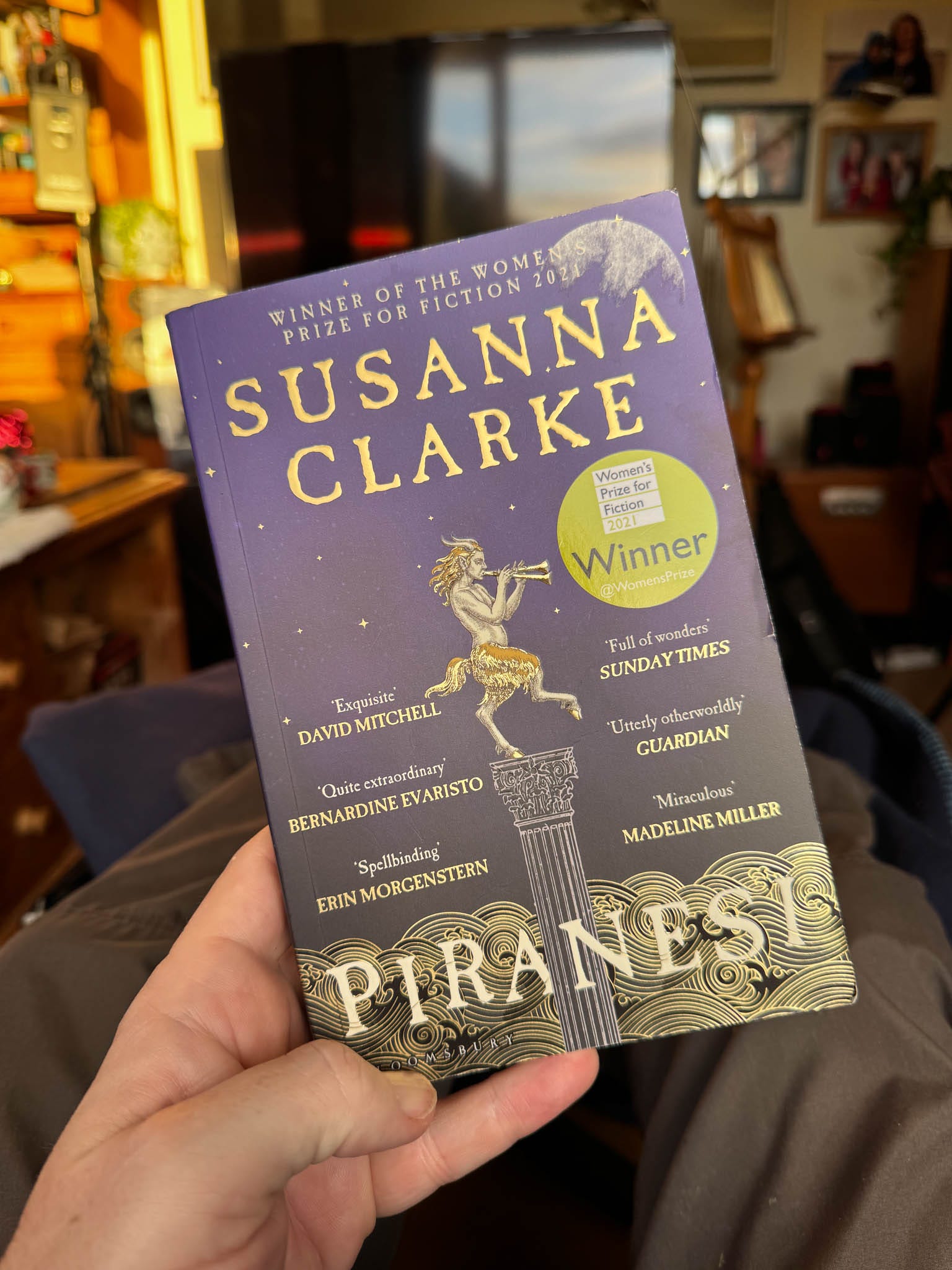
I had Sons of Darkness as my book of the year until I read this. I knew I would love this, but I didn’t know how much. It’s a short novel that’s set in a fantasy land that reminded me somewhat of Gormenghast, one of my favourite series. You might say it’s trippy in the California, flower power sense, but in a kind of bad trip way. It’s full of surprises as the plot unfolds and it’s difficult to review without going into spoiler territory. So all I’ll say is that the vibe was excellent and the prose brilliant. I’m curious about what a reread will feel like, now that I know the whole story.
📖 Jude the Obscure, Thomas Hardy, 1895
Fiction, Physical, Audiobook (Narr. Matt Bates)
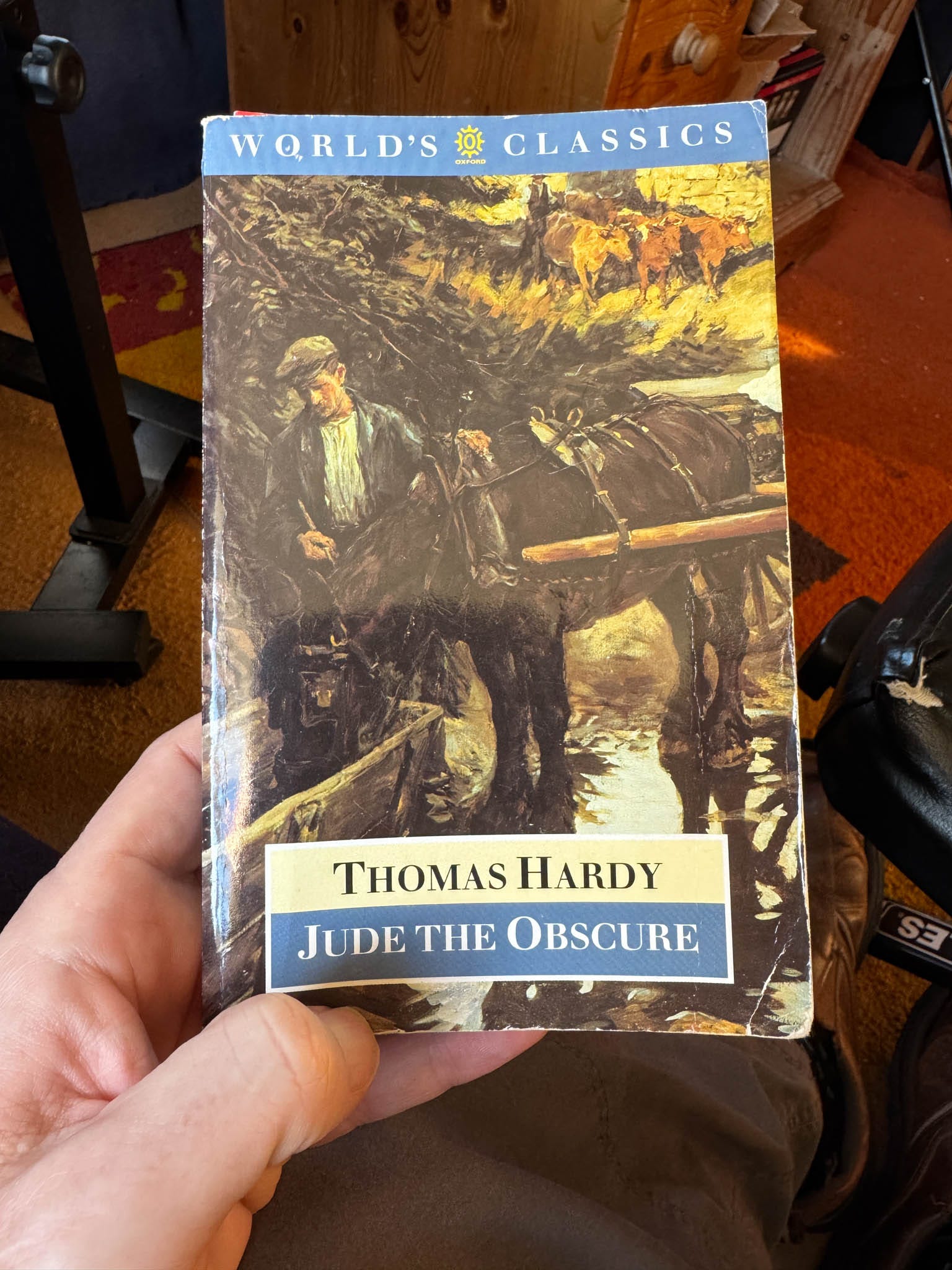
I remember starting Jude the Obscure when I was a student in my junior honours year at the University of St Andrews. I guess the syllabus got too heavy for me to continue reading it, and it languished on the shelf for the next thirty years. The only other Hardy I’ve read is Tess of the D’Urbervilles—twice!—so I knew I enjoyed Hardy’s dark vibes. I just didn’t know how dark he could get. Now I do.
I love Hardy’s prose style. I found it to be a fast-paced novel, easy to read and engaging, but boy was it depressing! I’m prone to melancholy myself, particularly around Christmas, so it fit my mood perfectly as a novel to read between Christmas New Year. I’ll never forget the scene I listened to as I drove the short distance from Brodick ferry terminal to my house. If you know, you know!
My immediate reaction on finishing it was to give it four stars, but I find that I can’t get it out of my head, and so it feels like one of those unforgettable novels that I’m sure I’ll return to at some point. I’m also keen to read more Hardy, so it was nice to get the bargain six novels for one credit on Audible. Matt Bates’ narration of Jude the Obscure was excellent.
So, what a year! I’m enjoying my books more than ever and am really looking forward to going into 2026. Being part of the book community here and on YouTube has added a lot to my enjoyment, especially as a creator. It has changed the way I read, making it all the more rewarding. I have a feeling that 2026 is going to be even better as I start out leading my audience through The Master and Margarita. Two other books I have planned as read-alongs are Doctor Zhivago and Demons, neither of which I have read before. I’m not sure when I’ll do it, but rest assured, I’ll give you plenty of notice!

Video Top Ten
I also recorded a video of my top ten for YouTube.
Dr Zhivago! Yes please. Count me in. Another one I started and didn’t finish.
Great list. Dickens is one of my favorites, and I completely agree with your opinion on Thomas Hardys prose, it's fantastic. I loved Return of the Native, and though Jude the Obscure was really bleak I was still enthralled with it. Speaking of these two authors, just this week I picked up copies of A Tale of Two Cities and Far From the Madding Crowd.